


Electropolishing
Stainless Steel

Capron Manufacturing provides first-rate electropolishing and passivation services
for stainless steel components.

Healthcare

Medical

Automotive

Automotive

Dishwasher

Appliances

Pharmaceutical

Overview:

Electropolishing is essentially a "reverse plating" technique that uses a combination of chemicals and electrical current to carefully remove surface imperfections and contaminants, leaving a smooth, bright finish while preserving the structure and strength of the base component.

Procedure length is tailored to your specific requirements, and all work strictly follows ASTM guidelines and specifications.

Benefits of Electropolishing:

Why Electropolish Stainless Steel?

Stainless steel is naturally rust-resistant, but iron contamination can compromise that resistance. Passivation removes surface iron, increasing the concentration of chromium—which builds a thicker chromium oxide layer and significantly improves corrosion resistance.

Applications Include:

Electropolishing Services:

STANDARD SPECIFICATIONS FOR CHEMICAL PASSIVATION AND PASSIVATION OF ELECTROPOLISHING STAINLESS STEEL: ASTM A967, ASTM A380, ASTM B912, ASTM B-117

Scope: This specification defines performance requirements for Capron Components which require Electropolishing and/or Passivation of Stainless Steel. Thank you for visiting Capron Manufacturing’s specifications data base and please let us know if you have any questions.

ASTM’s metallic coating norms are instrumental in the assessment and examination of the physical, chemical, mechanical, and metallurgical properties of metallic powders planned for use as coating material. These standards help to recognize attributes, for example, thickness, particle size, compressibility, rupture strength, and surface finishing among others. Additionally, these metallic coating norms permit powder metallurgy labs, and different organizations that manage metallic powder coatings to fittingly test them for the chemical and mechanical characteristics to which they ought to acclimate.

References:

Standard Specification for Chemical Passivation of Stainless Steel Parts ASTM A967 / A967M – 17
Standard Specification for Passivation of Stainless Steel Using Electropolishing ASTM B912 – 02(2013)
Standard Practice for Cleaning, Descaling, and Passivation of Stainless Steel Parts, Equipment, and Systems A380 / A380M – 17
ASTM B-117 Standard methods of salt spray testing for corrosion resistance
All of the following requirements must be met to achieve acceptable quality. No one requirement, exclusive of others, is capable of insuring satisfactory performance.

All part testing requirements apply to those areas of the part identified as a significant surface unless otherwise specified.

THE FOLLOWING SIGNIFICANT CHARACTERISTICS WILL BE MEASURED AND KEPT ON FILE.

  1. Cleaning Prior to Electropolishing & Passivation of Stainless Steel:
    Stainless Steel parts shall be cleaned using principles defined in ASTM A380, and/or ASTM A380M-17
  2. Corrosion Protection:
    Parts must meet corrosion requirement corresponding to service condition/hours, as specified by purchase

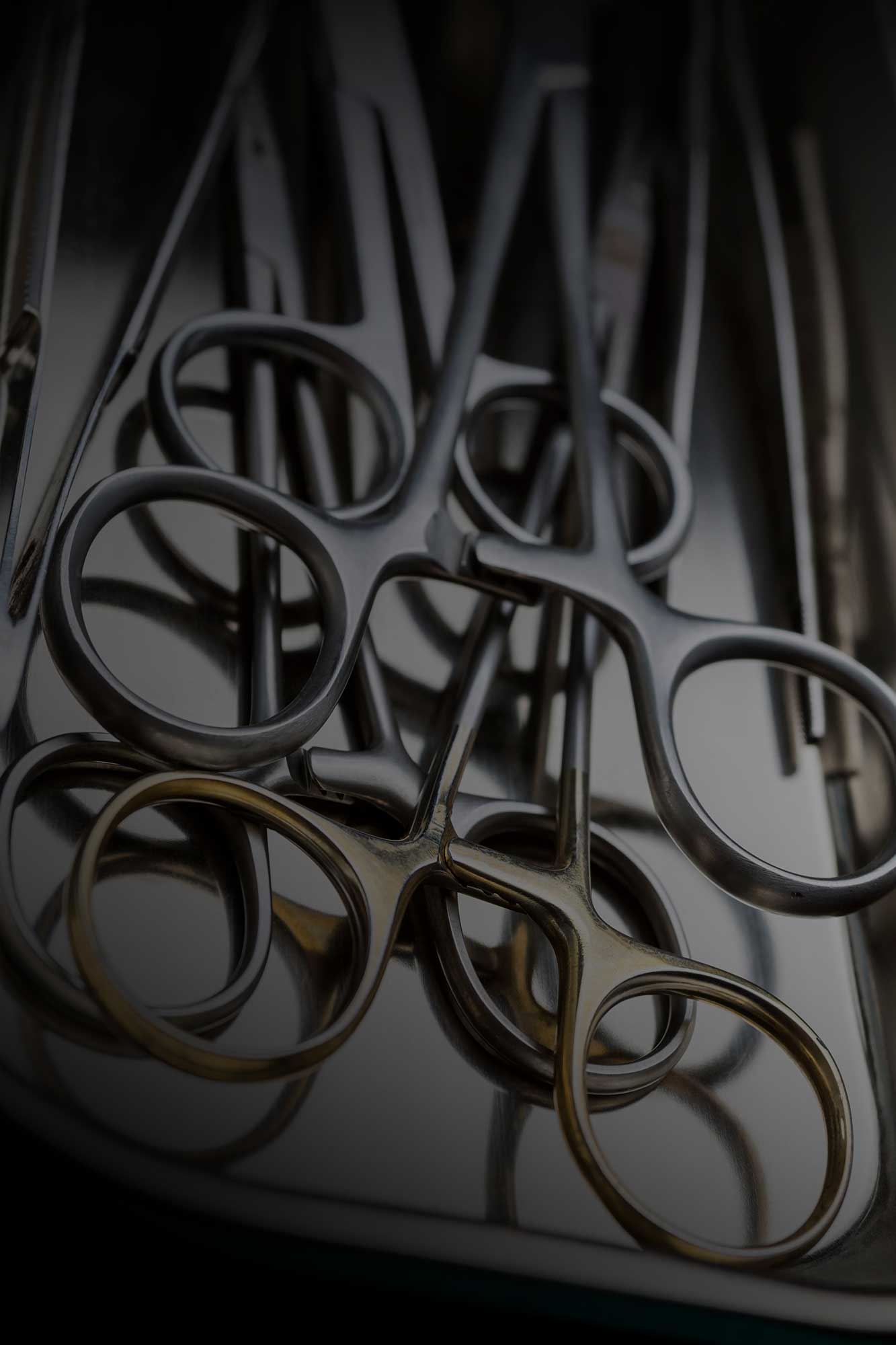
Our electropolishing of stainless steel process ensures that medical and dental instruments, as well as implantable items, are clean, burr-free, corrosion-resistant and safe.  In the medical and dental industry, devices are used both internally and externally, thereby raising the level of importance for biocompatibility testing. It is true that many areas of medicine such as orthopedics, orthodontics, dental, veterinary, and others commonly face biocompatibility challenges such as ensuring that devices have a smooth, corrosion-resistant surface while not harboring bacteria or pathogens.  For the medical and dental industry, no other finishing process can reach the level of quality of electropolishing of stainless steel.

Benefits of our deburring process:

  • produces a superior corrosive-resistant surface and increases durability.
  • generates a smooth polish while preserving the true properties of the bulk metal.
  • reduces product contamination and stickiness as a result of the glossy, electropolished surface.
  • reduces clean time.
  • no reduction in fatigue strength.
  • reduces friction and wear.
  • facilitates cleaning, reduces formation of deposits, and minimizes germ growth

Our electropolishing of stainless steel service is used to improve the finish and deburr gears, lead screws, injectors and rotors. This leads to less friction and surface drag, while also removing any form of contamination that can enter the fuel and brake system, as this could lead to an unanticipated failure.


Another benefit of electropolishing stainless steel auto parts is due to its proven performance in deburring and removing contaminants on the outer surface layer that could separate after assembly.


The relevant characteristics and advantages of our electropolishing of stainless steel process for the automotive industry are:

  • Optimum price/performance ratio
  • Consistent quality
  • Optimal ratio between mechanical strength and weight properties
  • 100% recyclable
  • High resistance to corrosion


Electropolished surfaces are:

  • decorative and shiny
  • chemically passive
  • smooth and free of cracks
  • free of burrs, cuts, and particles
  • metallically pure and free of stress


Specific to the automotive industry, electropolishing of stainless steel provides the added benefit of corrosion resistance, which is essential to combating corrosive elements such as road salt and other de-icing chemicals.

Metal parts that are used in appliances like refrigerators, ice machines and deep fryers look better and last longer after undergoing our electropolishing of stainless steel process.

Our electropolishing of stainless steel for appliances is built to remove and then replenish the periphery of the metal, eliminating the carbon steel contaminants nestled in the tiny openings from forming and machining. If not eliminated, these contaminated surfaces can lead to conditions where corrosion develops.

In addition to eliminating contaminants that lead to corrosion, our electropolishing of stainless steel produces a smooth and shiny surface finish which prevents stickiness, improving the appliance’s performance.

We offer electropolishing and passivation of stainless steel based on the individual specification from our customers. 

Electropolishing of stainless steel is utilized for equipment used in the manufacturing and dispensing of medications to prevent corrosion and bacteria growth that could lead to contamination of their product.

There are a variety of methods used to produce a contaminant free part. However, none can compete with the long-term benefits of electropolishing of stainless steel.

Benefits of Electropolishing of Stainless Steel to the Pharmaceutical Industry:

  • produces an oxygen-rich, protective layer that is very resistant to corrosion and is perfect for conditions such as blending pharmaceuticals.
  • diminishes product stickiness.
  • wipes out build-up which can slow down production.
  • electropolishing of stainless steel leads to a very clean and sterile surface, making it an ideal solution for the pharmaceutical and food industries.


We offer electropolishing and passivation of stainless steel based on the individual specification from our customers.

Maximizing Corrosion Resistance in Stainless Steel

Achieve microscopic precision and superior cleanliness.

Tell us about your stainless steel components, and we will help you meet strict food, medical, or industrial standards.

We and selected third parties use cookies or similar technologies for technical purposes and, with your consent, for other purposes. You can consent to the use of such technologies by using the “Accept” button, by closing this notice, by scrolling this page, by interacting with any link or button outside of this notice or by continuing to browse otherwise.